Laser gum treatment: A modern, gentler approach to gum health
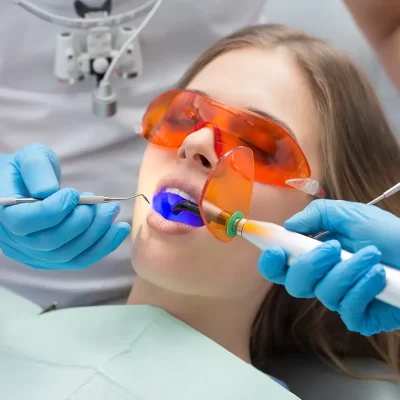
Laser gum treatment is a minimally invasive dental procedure that uses a specialized laser to treat gum disease, also known as periodontal disease. This advanced technology offers a gentler and more comfortable alternative to traditional gum surgery, which often involves scalpels and sutures. The precise laser targets and removes only the infected tissue and bacteria, leaving healthy gums and teeth intact.
How laser gum treatment works
One of the most well-known laser gum treatments is the Laser-Assisted New Attachment Procedure, or LANAP®. The process generally involves these steps:
- A periodontist uses a tiny laser fiber, typically inserted between the tooth and gum, to access the infected pocket.
- The laser precisely removes the diseased gum tissue and kills harmful bacteria.
- Ultrasonic instruments may then be used to remove tartar and plaque from the tooth roots.
- The laser is used a second time to sterilize the area and help create a stable blood clot, which encourages the body’s natural healing and promotes gum tissue reattachment.
- The blood clot acts as a natural “band-aid,” eliminating the need for stitches and promoting a faster recovery.
Benefits of laser gum treatment
- Minimally invasive: Unlike traditional surgery, laser treatment does not require any cutting or stitching of the gums.
- Faster recovery: Most patients experience less discomfort, pain, and swelling and can return to their normal daily activities sooner than with traditional surgery.
- High precision: The laser is able to target and remove only diseased tissue and bacteria, preserving healthy tissue.
- Less bleeding: The laser cauterizes blood vessels during the procedure, which minimizes bleeding.
- Promotes regeneration: In addition to treating the disease, the laser stimulates the natural regeneration of gum tissue and bone.
- Reduces anxiety: For patients with dental anxiety, the prospect of a less invasive, painless procedure without scalpels can be a significant psychological benefit.
Potential side effects and risks
While laser gum treatment is generally safe and well-tolerated, some side effects can occur:
- Minor discomfort: Mild soreness or throbbing can be expected for the first few days and can be managed with over-the-counter pain medication.
- Gum discoloration: The gums may appear discolored (gray, yellow, or blue) for a short time after the procedure, which is a normal part of the healing process.
- Tooth sensitivity: Some temporary tooth sensitivity may occur as the gums heal.
- Risk of damage: If not performed by a properly trained professional, there is a risk of thermal damage to healthy tissue.
- Bite changes: As the gums heal and regenerate, your bite may feel slightly different, and adjustments may be needed over the following months.
What to expect during recovery
- Diet: You will likely need to follow a soft or liquid diet for the first few days to protect the healing tissue.
- Oral hygiene: Your dentist will provide specific instructions for cleaning the treated areas. You may be instructed not to brush or floss for the first week to 10 days to avoid disturbing the newly formed blood clots.
- Follow-up: Multiple follow-up visits will be necessary to monitor your healing progress and adjust your bite as the gums and bone regenerate.
- Avoid smoking: Smoking can significantly hinder the healing process and compromise the results of your treatment.
Is laser gum treatment right for you?
Laser gum treatment is a powerful tool for fighting gum disease, especially for those with moderate-to-severe periodontitis or who are nervous about traditional surgery. However, it’s not a one-size-fits-all solution. Your dental professional will conduct a thorough examination to determine the extent of your condition and whether laser treatment is the best option for your specific needs.